
(Editor's note: A deep gloom has settled over the country, as recent public opinion surveys reflect record-low levels of optimism about the future. It's a tough time to be entering adulthood — amid an unsettled economy, the multiple anxieties of an AI future, and the toxic cloud of Trumpism — and thus an even tougher time to be an adult offering advice to young people. So we were struck by the wisdom, humility, and compassion woven through the commencement address that former D.A. Joyce Dudley delivered to Bishop Garcia Diego High School graduates last Friday night, and wanted to share her words with you. — jr)
By Joyce Dudley
Good evening graduates, families, faculty, and friends,
Id like to dedicate my words today to Dwight Faulding, who passed away about one month ago.
From my perspective Dwight was a true Cardinal - living a selfless life by always going out of his way to be inclusive and help others.
Thank you all for inviting me into your community this evening, and into this moment that is at once an emotional ending, and a very exciting beginning.
Based upon the generous introduction I was given you can see I come to you from a life that has taken many unexpected turns. Although I served as your District Attorney, I also spent years as an educator and writer, while proudly serving on many non- profit Boards and raising four fabulous sons, one of whom was a Cardinal; Matt Capritto, that connection makes this day especially meaningful for me.
Respect and dignity. Your education at Bishop has been rooted in a vision that insists upon dignity—your own and everyone else’s. During your time here you have been taught that every life demands respect. And every life carries responsibility.
So what do YOU want to do with your responsibility?
You will now officially step into a world that is complicated, sometimes noisy, sometimes unjust, and often in need of courage. You bring with you not just knowledge, but habits of mind and heart that will shape your choices … when no one is watching.
In my years as a prosecutor, I learned that justice is not an abstract idea. It is a series of decisions made by imperfect people in real time.
It requires judgment, humility, and restraint. It asks you to hold two truths at once: that wrongdoing must be addressed, and that the person who has done wrong is still a person to be treated with kindness and respect
My best friend the former Los Angeles District Attorney Jackie Lacey once said, “Treat everyone like you’d like to be treated if you screwed up.”
Because, in reality, we all make mistakes, and that can be a good thing!
President Obama once said:
“You can’t let your mistakes define you, you have to let your mistakes teach you”
And I would add to that, that you should re-purpose your mistakes by recognizing them as such, and then turning them into lessons.
The easy path - and the right path. In addition to learning from mistakes made by you and others - you will also face moments—perhaps sooner than you expect—when the easy path and the right path are not the same.
In those moments, the outstanding education you received at Bishop will matter. Not because it gave you all the answers, but because it trained you to ask the better questions.
Like: Who will be affected by this decision?
Who is missing from this conversation?
What does fairness, grace and kindness require here?
And then, perhaps most importantly: What kind of person do I want to be when this moment has passed?
Now, I’d like to share something about me, something you might not expect from someone who has spent so much time in courtrooms and lecture halls:
Some of the most important lessons in my life came not from arguments or discussions , but from movement.
Initially: Dance. But later, quiet hikes in nature. Both of which were at times very challenging. Both taught me discipline and presence. It also taught me that you cannot fake balance—you either have it or you falter or you fall, and then you must get up and try again.
You will each find your own version of that—some passion, that reminds you that you are more than just your résumé. Hold onto that. It will keep you grounded when the world tries to measure you only by your achievements.
A dream of kindness. Speaking of which, my dad died when he was 55 and I was 21. I adored my father who was a man of few words.
Before he died he told me he thought I’d grow up to be “a successful woman with a well-adjusted family.” Achievements were very important to my hard-working father, or so I thought.
Fifteen years later, the night before I began my job at the District Attorney’s Office, I had a dream about him. He was standing in a green meadow. I started running towards him, because I knew he would just be here for a matter of seconds. As I ran towards him I began to yell out my achievements, but his expression didn’t change.
When I finally reached him he used his quivering breath to ask me a question “But are you kind?”
I froze, because I needed a moment to consider his question. With his last breath he said “Because that’s all that matters on this side.”
And then he was gone.
Sadly, I never dreamed about him again.
What that dream taught me was to make a daily decision to be kind, especially when it is easier to be indifferent. To listen when it is easier to speak. To stay when it is easier to walk away.
As you go forward, you will carry many identities—professional titles, personal roles, perhaps even contradictions. I’ve lived that myself. Prosecutor and storyteller. Scholar and performer.
These are not opposites; they are facets. You do not have to be only one thing. In fact, you will be more effective—and more fully human—if you allow your different strengths to inform one another.
Conscience and kindness. Finally, speaking to the families here. You have invested not just in their education, but in their formation. You have supported, encouraged, and sometimes gently insisted.
Today is your day as well. Thank you for the love that brought these graduates to this moment.
Graduates, as you leave this place, you do not leave behind what you have learned here. You carry it with you—in your decisions, your relationships, and your sense of purpose.
Wherever you go next, remember this: the world does not just need your success. It needs your conscience. Your kindness.
It needs your willingness to stand up when it matters.
It needs your belief that every person has dignity—and your commitment to act accordingly.
And if, at some point, you find yourself uncertain—as you will—return to that simple, enduring question: What is the right thing to do here?
Listen to the soft spoken voice of your conscience. Act with honesty and courage
And trust that, over time, those small, faithful choices will shape not only your life, but the lives of others.
Congratulations, Class of 2026 Go forward with forgiveness, wisdom, kindness, courage, and hope.
Thank you.
This transcript of Joyce Dudley’s commencement address was edited for clarity and continuity.
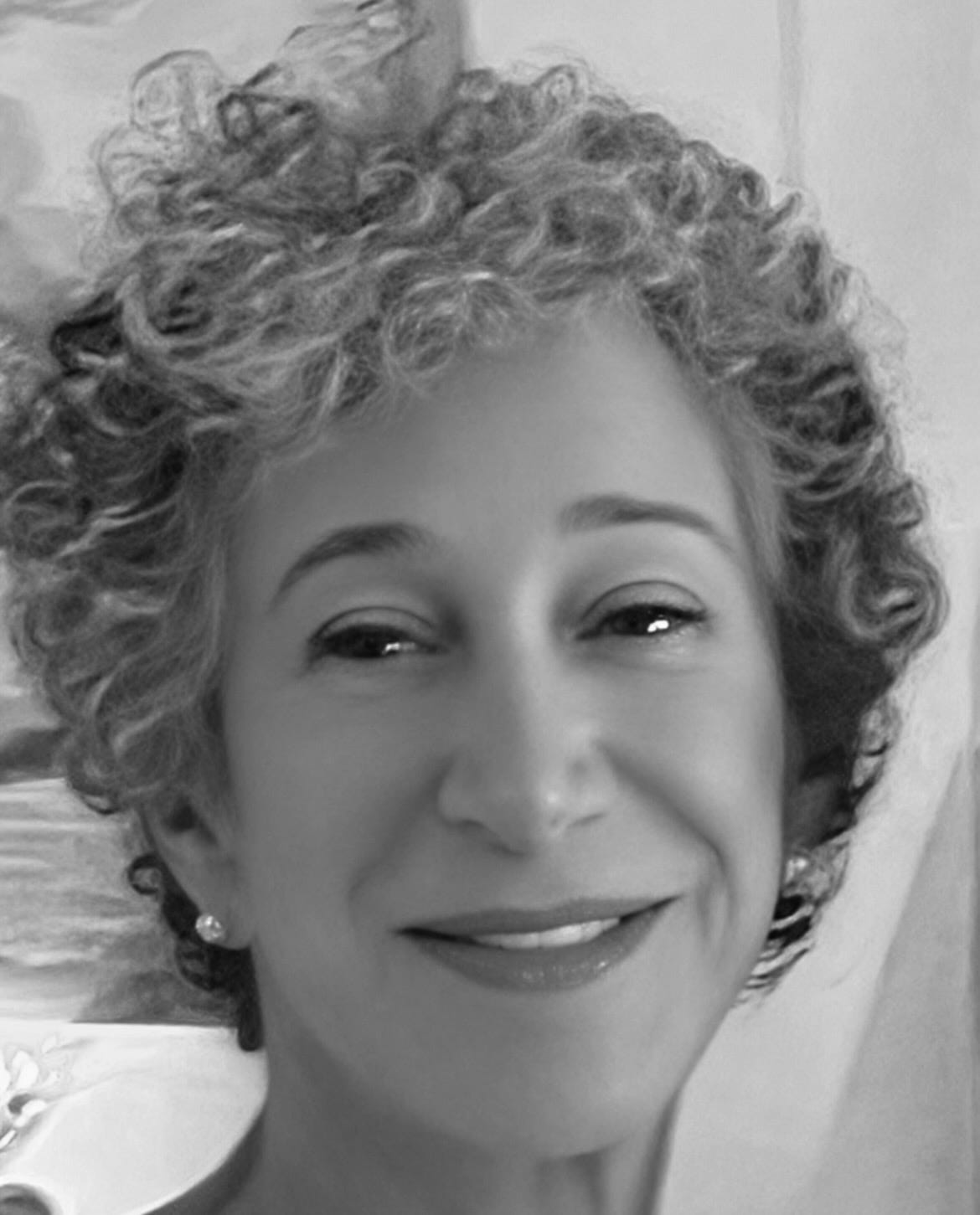
Image: Joyce Dudley (courtesy).